Arduino Compatible ECG Module – AD8232 Heart Jamaica
Key Features & How It Works:
- Signal Conditioning: Uses amplifiers and filters (high-pass for motion, low-pass for noise) to extract tiny heart signals from body interference.
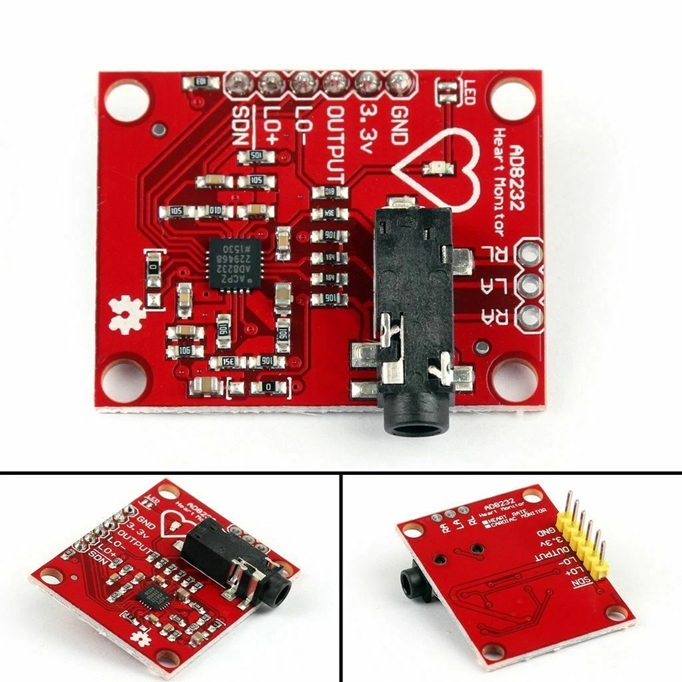
- Pins: Provides essential connections: GND, 3.3V, OUTPUT (analog heart signal), LO+, LO- (for electrode placement), and SDN (shutdown).
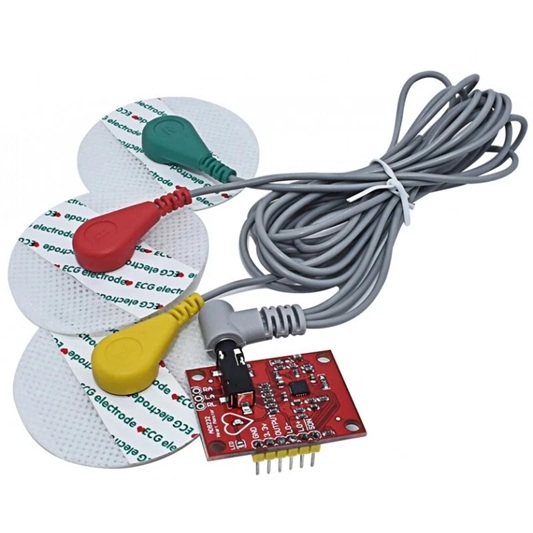
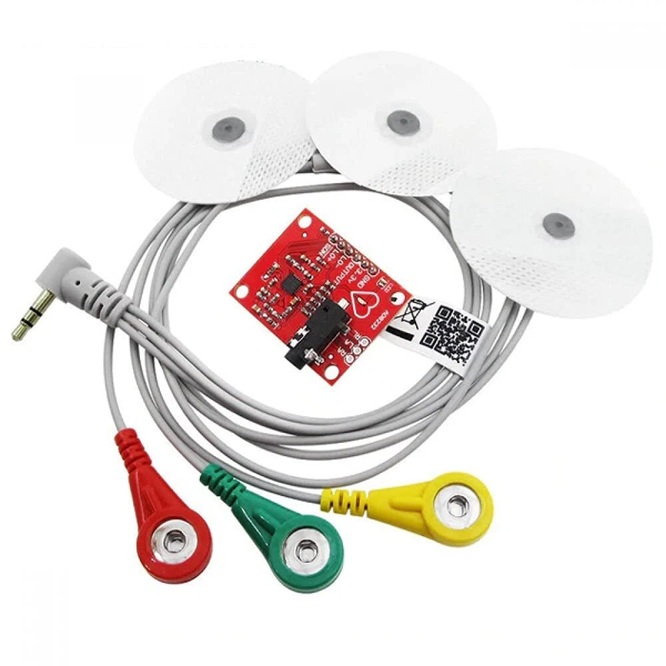
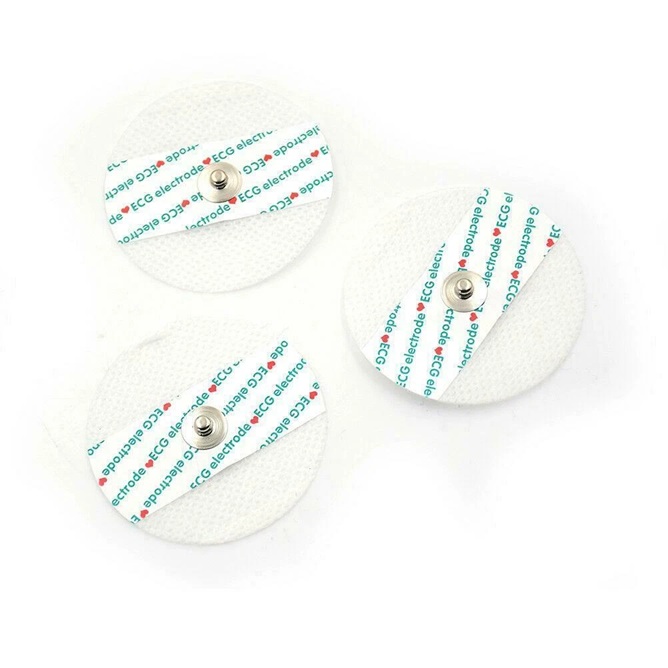
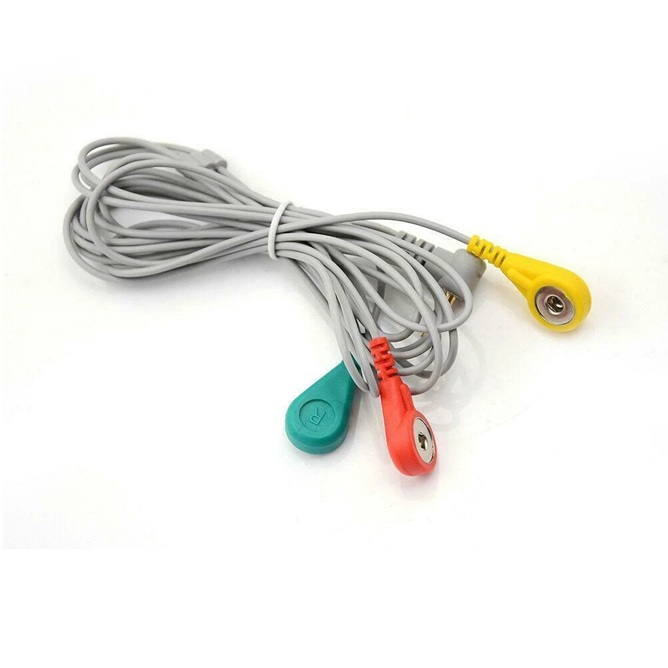
- Electrodes: Connects to 3.3mm jack electrodes (or wires) for RA (Right Arm), LA (Left Arm), and RL (Right Leg) placement.
- LED Indicator: A heart-shaped LED pulsates with the heart’s rhythm.
Applications:
- Fitness & Sports Heart Rate Monitoring
- Portable/Remote Health Monitoring
- Bioelectricity Signal Collection
- Arduino-based Heart Projects
How to Use with Arduino:
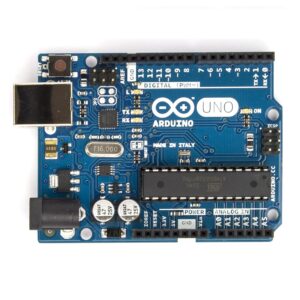
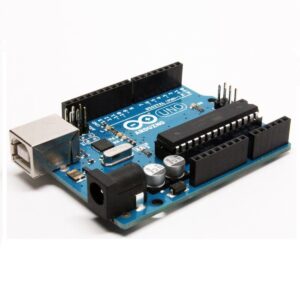
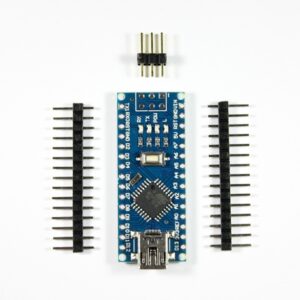
- Connect: Wire the module’s pins (GND, 3.3V, A0 for Output, pins 10 & 11 for LO+/LO-) to your Arduino.
- Electrodes: Place electrodes on your body (e.g., right arm, left arm, right leg).
- Code: Upload code to read the analog output pin (A0).
- Visualize: Use the Arduino IDE’s Tools > Serial Plotter to see the ECG waveform (P-wave, QRS complex, T-wave).