Memory IC’s
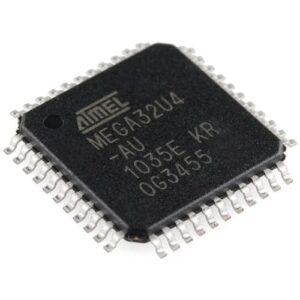
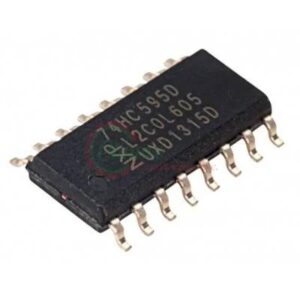
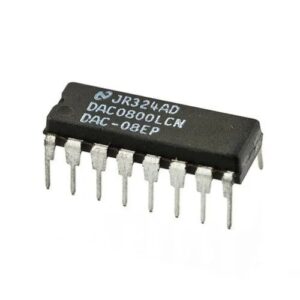
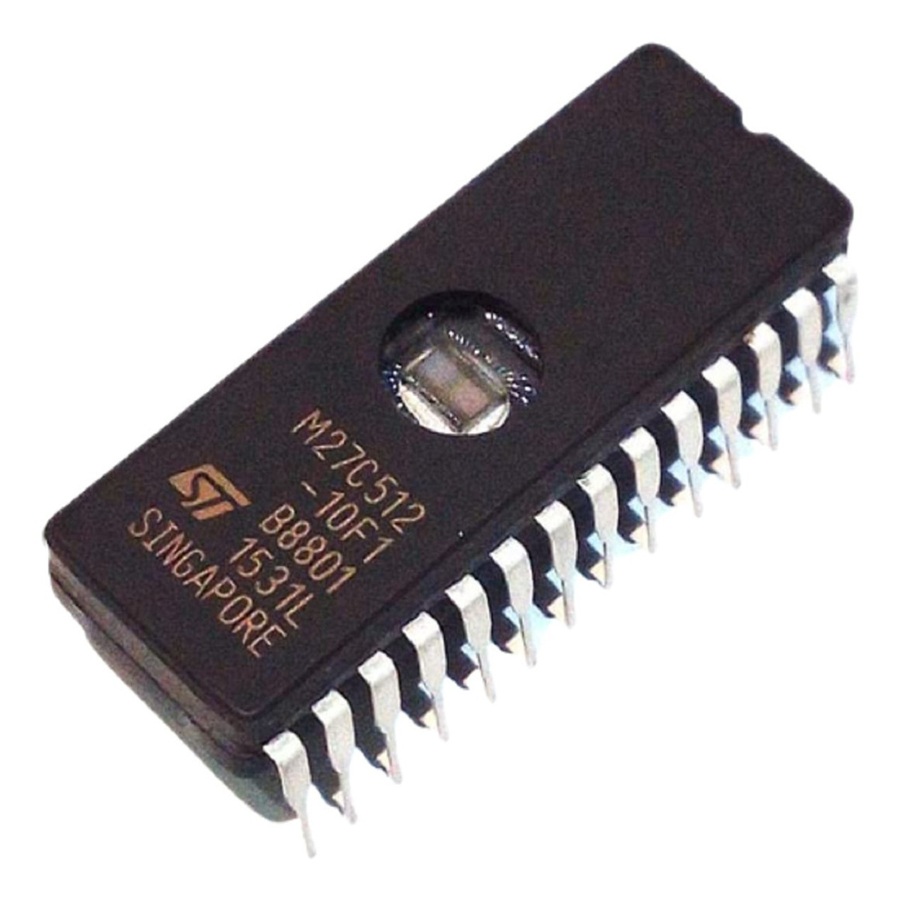
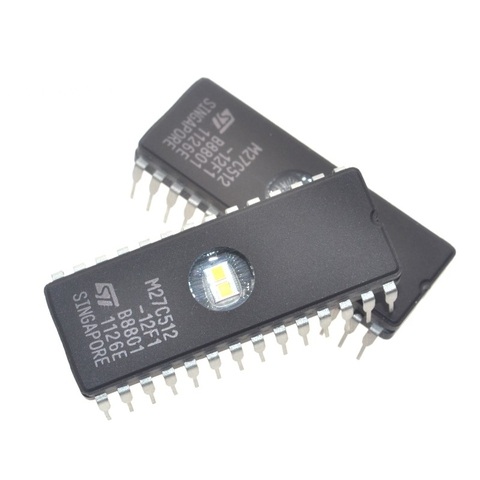
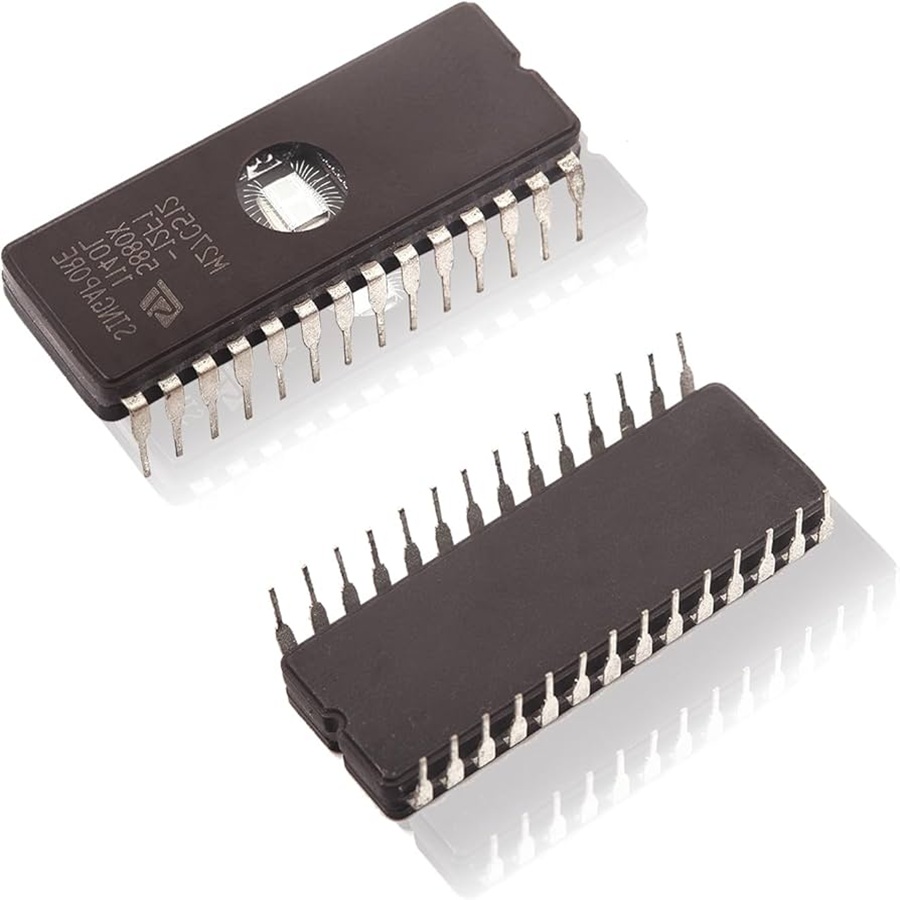
Memory Integrated Circuits are the digital storage hubs of the electronics world. These specialized chips are designed to hold and retrieve data, ranging from the temporary “workspace” a processor needs to run an app, to the permanent storage for a device’s operating system. Without Memory ICs, electronic devices would have no way to remember instructions, save user data, or function beyond immediate real-time tasks.
Specifications
- Memory Type: * Volatile (RAM): High-speed memory that loses data when power is removed (e.g., SRAM for speed, DRAM for density).
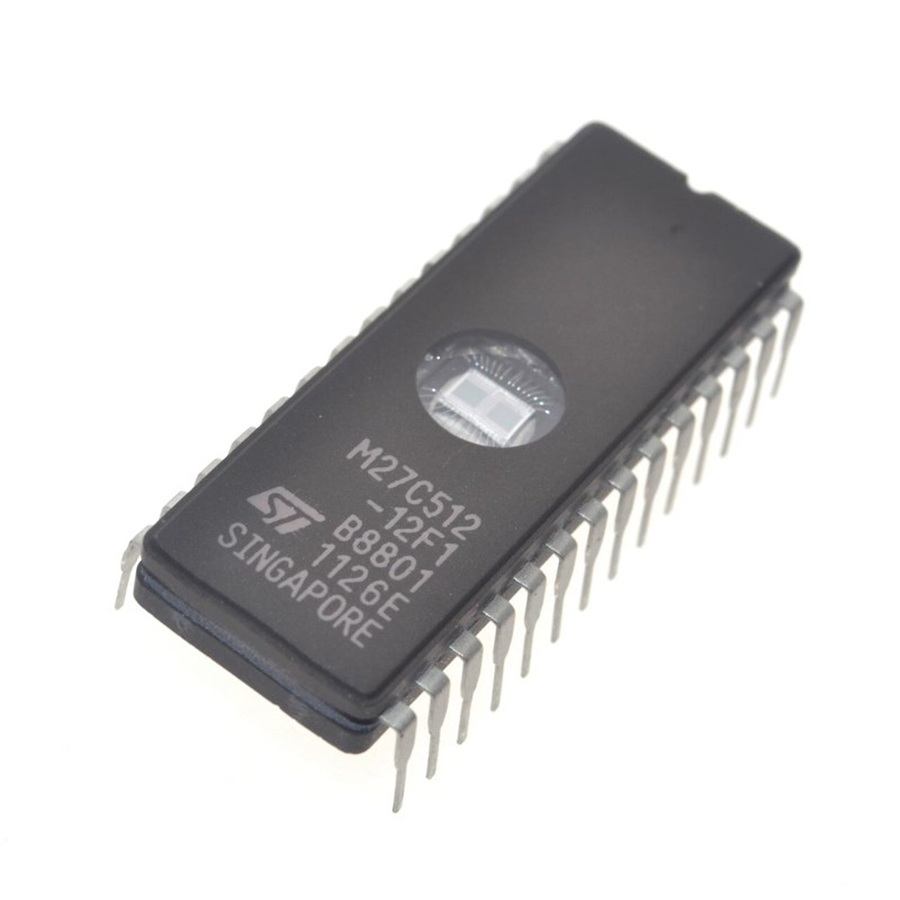
- Non-Volatile (ROM/Flash): Retains data without power (e.g., EEPROM for settings, NAND Flash for mass storage).
- Capacity (Density): Available in ranges from small Kilobits (Kb) for simple sensors to several Terabytes (TB) for high-end storage.
- Access Speed: Measured in nanoseconds (ns) for RAM or megatransfers per second MT/s) for modern DDR modules
- Endurance: For Flash memory, this defines the number of write/erase cycles (e.g., 100,000 cycles for high-grade SLC).
- Interface: Common protocols include SPI, I2C, Parallel, and high-speed NVMe/PCIe.
Available Package Sizes
Memory ICs are available in various forms depending on the required storage density and heat dissipation:
| Package Type | Mounting Style | Typical Use Case |
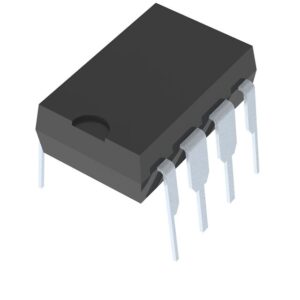
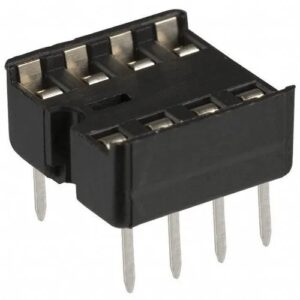
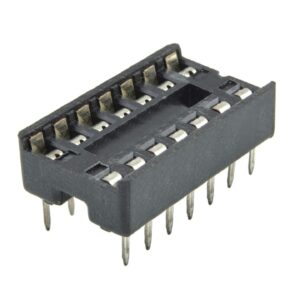
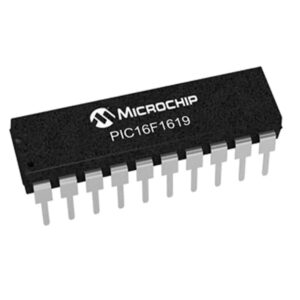
| DIP-8 / DIP-28 | Through-Hole | Legacy systems, BIOS chips, and hobbyist EEPROM projects. |
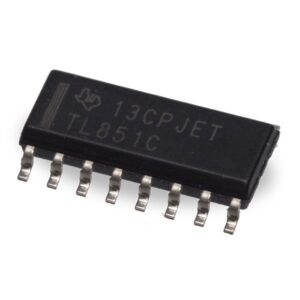
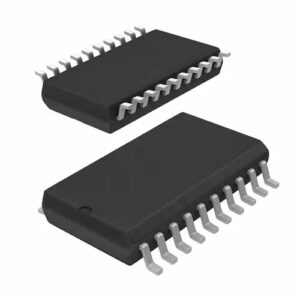
| SOIC / TSSOP | Surface Mount | Small-scale data logging and firmware storage. |
| BGA (Ball Grid Array) | Surface Mount | High-density RAM (DDR4/5) and mobile phone storage (eMMC). |
| WLCSP | Wafer-Level | Ultra-miniature IoT devices and wearables. |
Common Usage
Memory ICs are integrated into almost every digital system:
- Consumer Electronics: Providing the RAM and internal storage for smartphones, tablets, and gaming consoles.
- Computing: Serving as system memory (DRAM) and solid-state drives (SSD) in laptops and servers.
- Embedded Systems: Storing “firmware” (the permanent code) that tells a microwave or washing machine how to operate.
- Automotive: Storing map data for GPS, dashcam footage, and engine calibration settings in ECUs.
- Industrial/IoT: Logging sensor data over time and storing configuration profiles for remote devices.