Micro Controllers
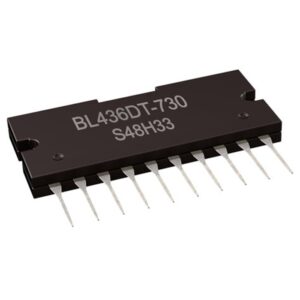
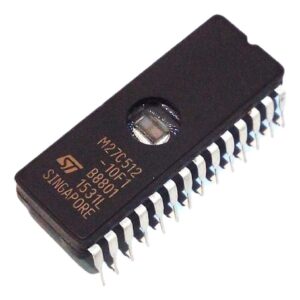
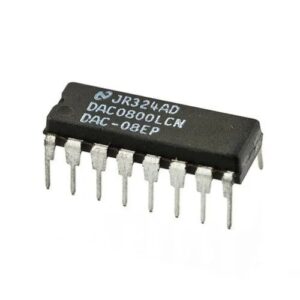
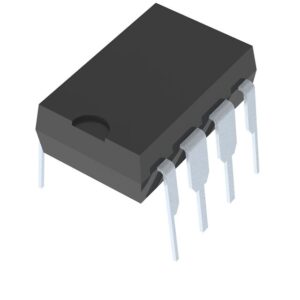
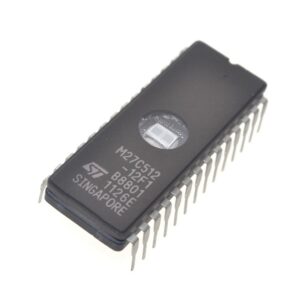
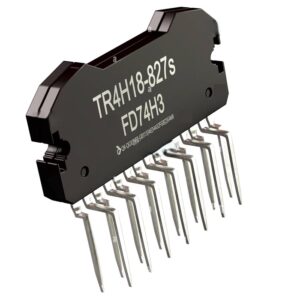
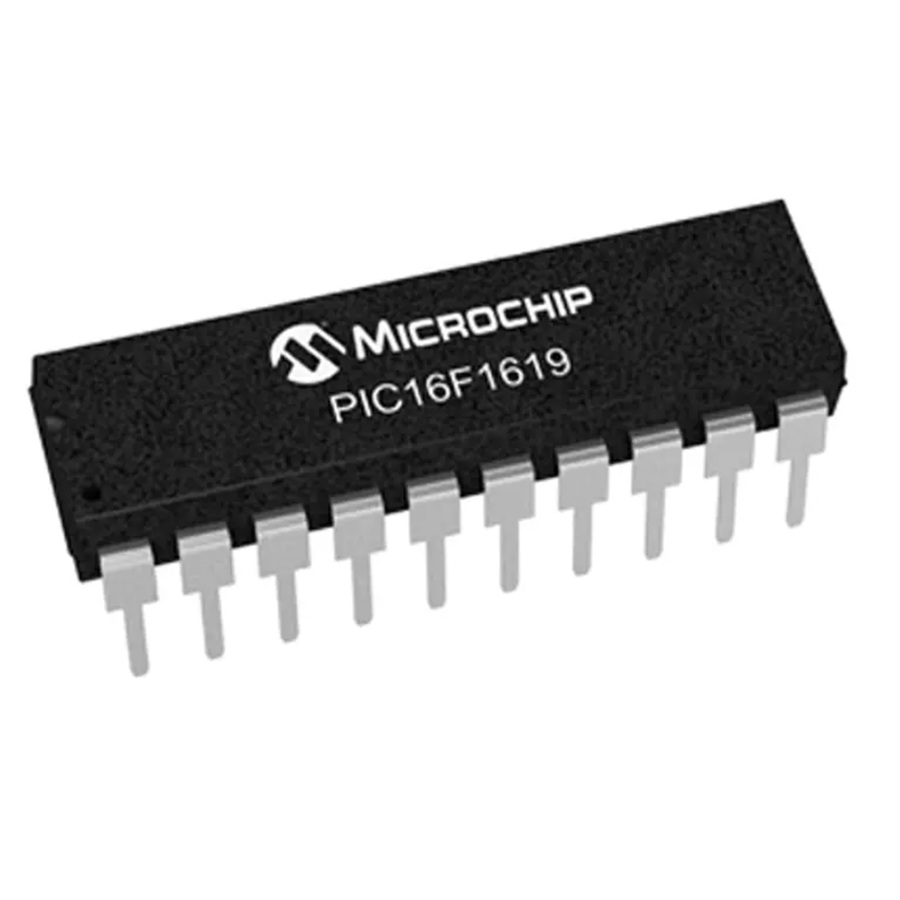
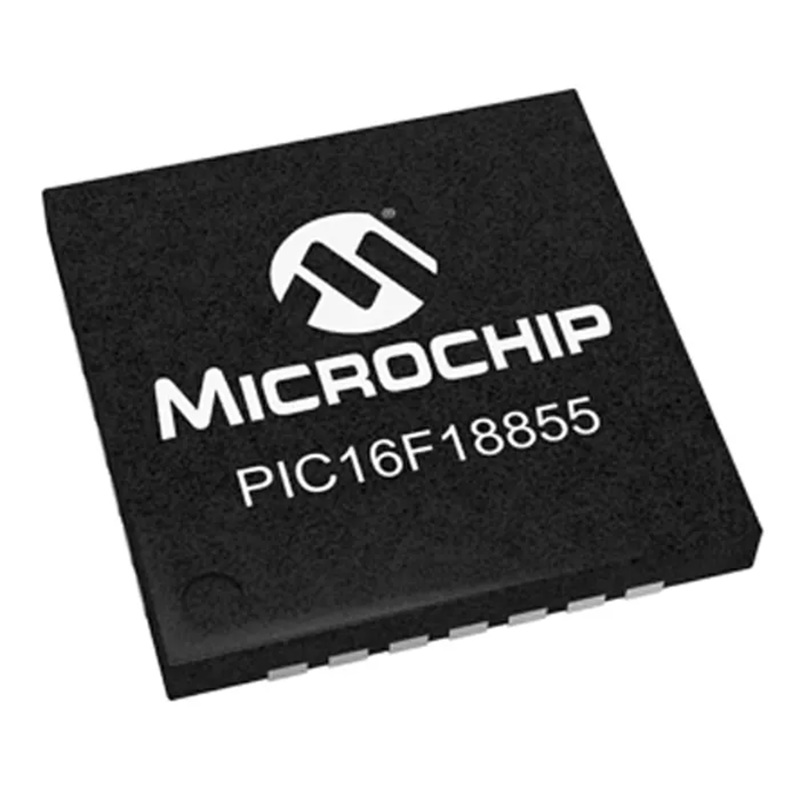
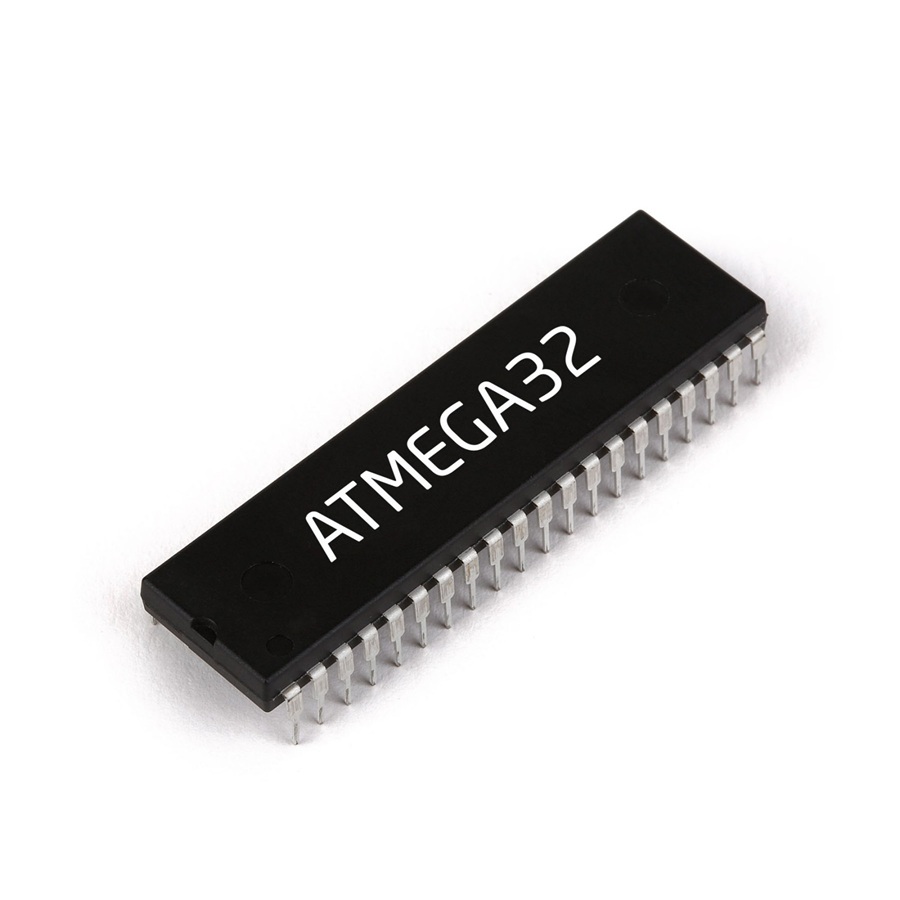
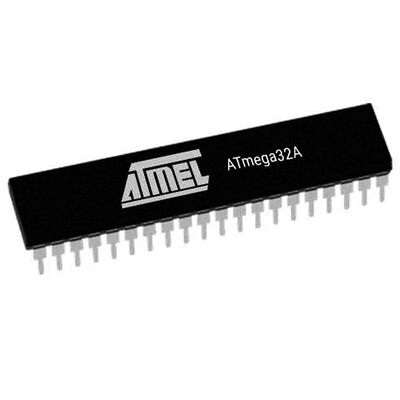
A Microcontroller (MCU) is essentially a “computer on a chip.” Unlike a microprocessor, which requires external components to function, a microcontroller integrates a processor core, memory (RAM and Flash), and programmable input/output peripherals into a single integrated circuit. This self-contained design makes them the ideal “brain” for embedded systems, allowing them to sense their environment, process data, and control mechanical or electronic parts in real-time.
Specifications
- Core Architecture: Available in 8-bit (simple tasks), 16-bit (general purpose), and 32-bit (high-performance like ARM Cortex).
- Clock Speed: Ranges from 1MHz for ultra-low power applications to over 400MHz for complex processing.
- On-Chip Memory: * Flash: Stores the program code (ranges from 2KB to 2MB+).
- SRAM: Used for temporary data storage while running (ranges from 256 bytes to 512KB+).
- Peripherals: Built-in support for ADC (Analog-to-Digital), PWM (Pulse Width Modulation), and timers.
- Connectivity: Integrated hardware for communication protocols like I2C, SPI, UART, USB, and sometimes CAN or Ethernet.
- Operating Voltage: Standard ranges of 1.8V, 3.3V, and 5V
Available Package Sizes
Microcontrollers come in various packages to balance pin count with board space:
| Package Type | Mounting Style | Typical Pin Count | Ideal For |
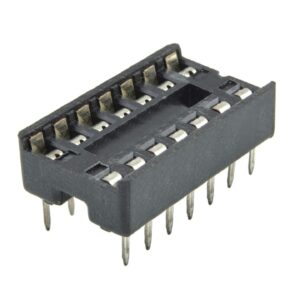
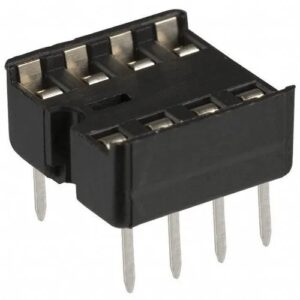
| DIP (Dual In-line) | Through-Hole | 8, 20, 28, 40 | Educational kits, breadboarding, and easy prototyping. |
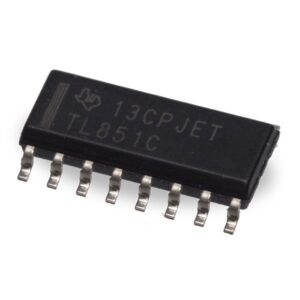
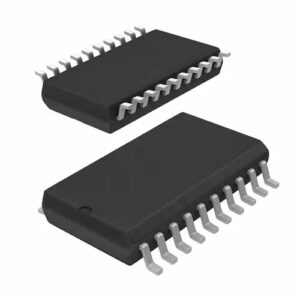
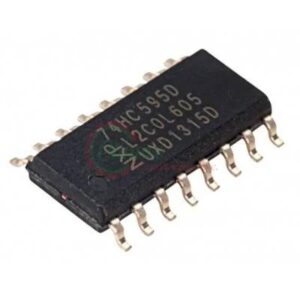
| SOIC / SSOP | Surface Mount | 8 to 28 | Compact commercial products with limited I/O needs. |
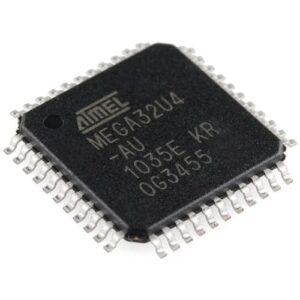
| QFP (Quad Flat Pack) | Surface Mount | 32 to 144+ | Complex boards requiring many pins for sensors and displays. |
| QFN (Quad Flat No-lead) | Surface Mount | 20 to 64 | Space-constrained IoT devices and wearables. |
Common Usage
Microcontrollers power the “intelligence” in billions of everyday devices:
- Home Automation: Controlling smart lights, thermostats, and security systems.
- Consumer Gadgets: The logic behind microwave ovens, washing machines, and remote-controlled toys.
- Automotive: Managing engine timing, anti-lock braking systems (ABS), and airbag deployment.
- Robotics: Processing sensor data to control motors and navigate environments.
- Industrial Control: Running automated assembly lines and monitoring factory sensors.
- Medical Devices: Portable heart rate monitors, insulin pumps, and digital thermometers.