Mixed Signal IC’s
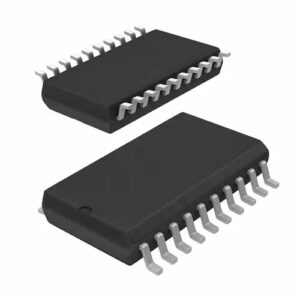
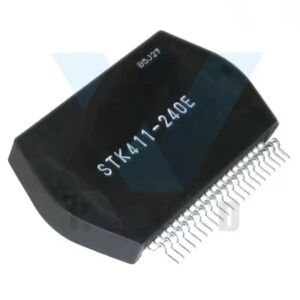
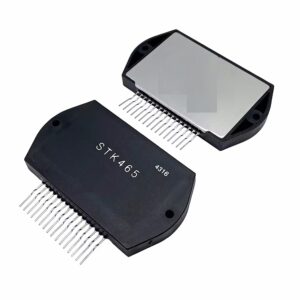
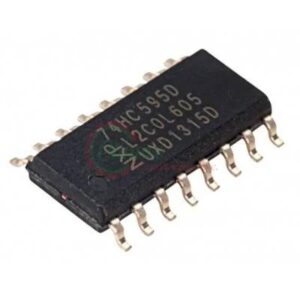
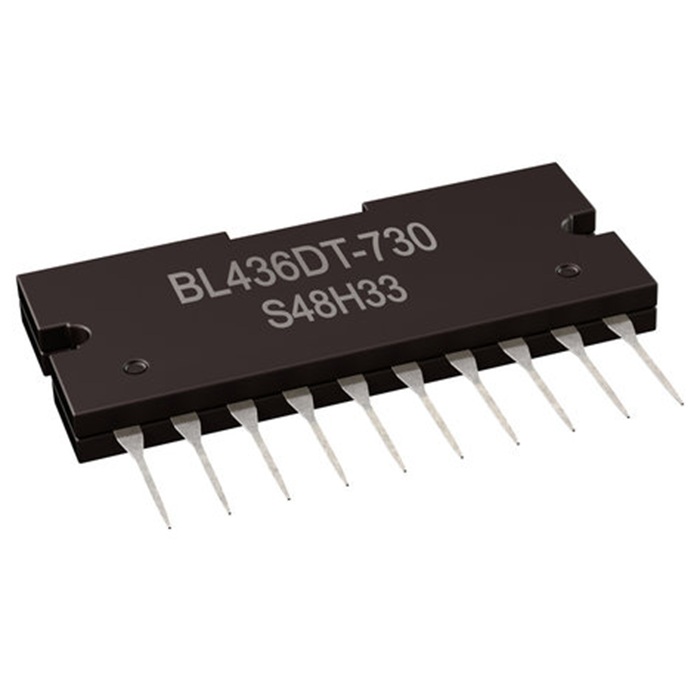
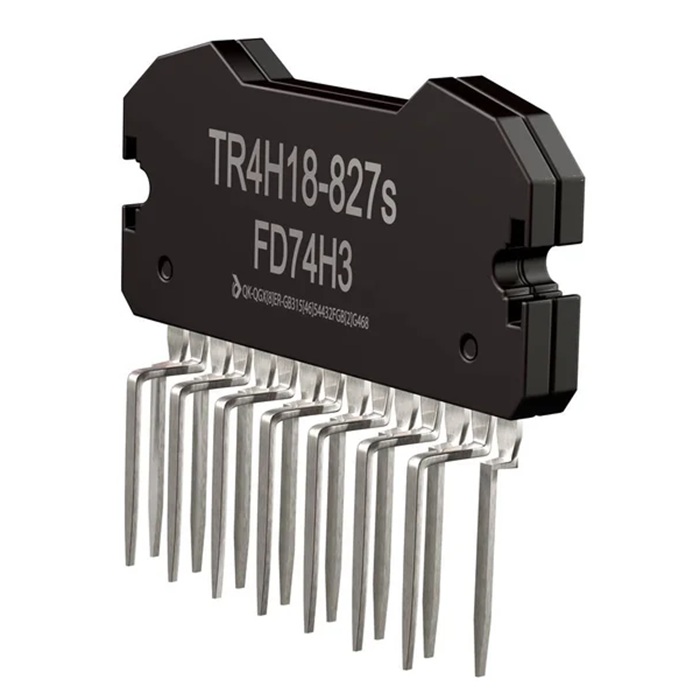
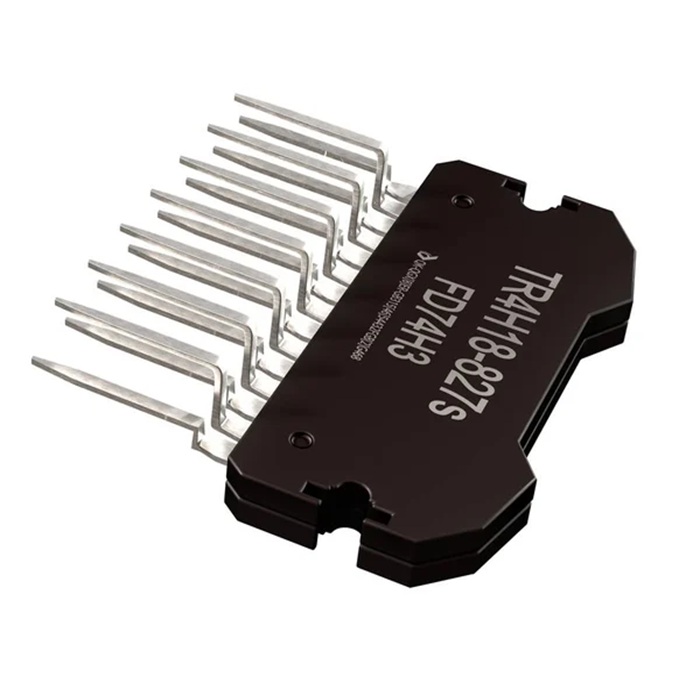
Mixed-Signal Integrated Circuits are the essential translators of the electronics world. They combine both analog and digital circuitry onto a single semiconductor chip, allowing a device to interact with the real world (analog) and process that information mathematically (digital). By integrating these two domains, Mixed-Signal ICs enable smaller, faster, and more power-efficient designs that can handle everything from sound and light to complex data computations.
Specifications
- Conversion Resolution: Typically measured in bits (e.g., 12-bit, 16-bit, or 24-bit), determining how accurately the chip can “read” an analog signal.
- Sampling Rate: How many times per second the chip samples a signal, measured in Samples per second (SPS) or Megasamples per second (MSPS).
- Signal-to-Noise Ratio (SNR): A critical metric for maintaining high-fidelity audio or precise sensor data without interference.
- Logic Levels: Support for standard digital interfaces like 1.8V, 3.3V, or 5V to ensure compatibility with microcontrollers.
- Power Consumption: Optimized for battery-operated devices, often featuring “sleep” modes to conserve energy when not active.
- Interface Protocols: Often includes built-in digital communication like I2C, SPI, or UART for easy data output.
Available Package Sizes
Mixed-signal ICs are designed to save space, often replacing several discrete components with one compact package:
| Package Type | Mounting Style | Typical Use Case |
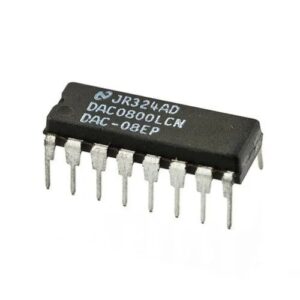
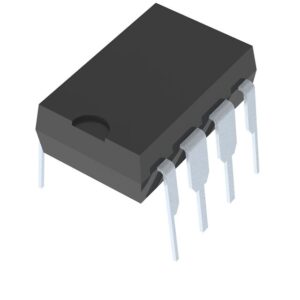
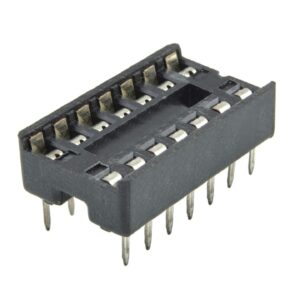
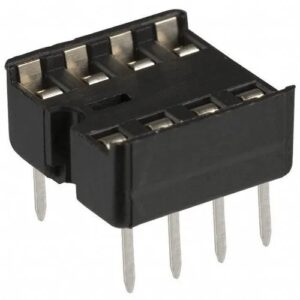
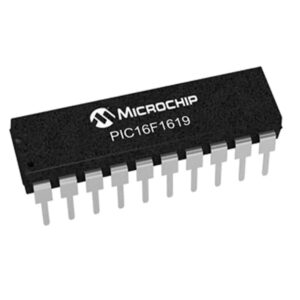
| DIP (Dual In-line) | Through-Hole | Prototyping data acquisition systems on breadboards. |
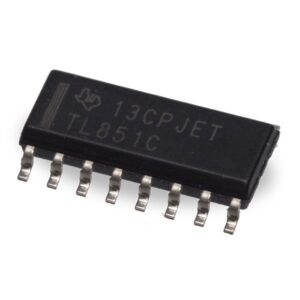
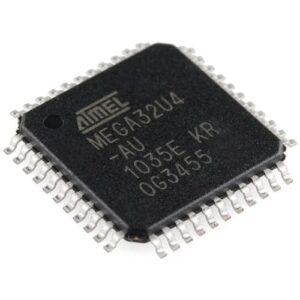
| SOIC / TSSOP | Surface Mount | Precision industrial sensors and power management. |
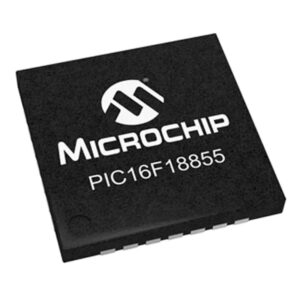
| QFN / VQFN | Surface Mount (No-lead) | Ultra-compact IoT devices and wearables. |
| TFP / BGA | Surface Mount | High-performance smartphones, tablets, and RF modules. |
Common Usage
Mixed-signal ICs are found in any application that needs to “sense” or “act” in the physical world:
- Audio & Video: Codecs used in smartphones and media players to convert digital files into audible sound or visible images.
- Smartphones: Managing the interface between the touch screen, microphone, and the phone’s processor.
- Medical Equipment: Converting physiological signals (like a heartbeat or blood oxygen) into digital data for a doctor’s monitor.
- Automotive: Handling sensor data from the engine and braking systems to be processed by the car’s computer.
- Wireless Communication: Powering the RF transceivers in Wi-Fi routers and Bluetooth headsets.
- Industrial Automation: Interfacing high-voltage factory sensors with low-voltage control systems.