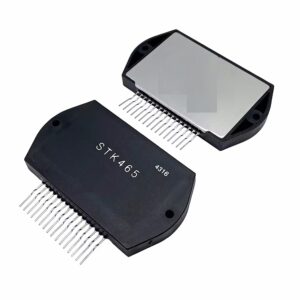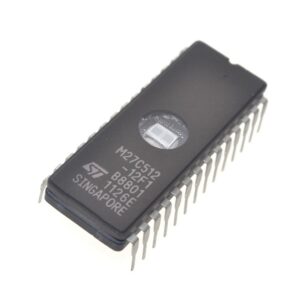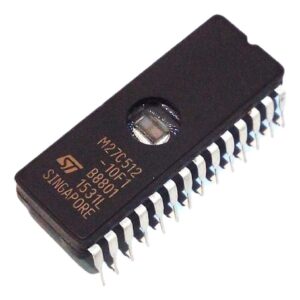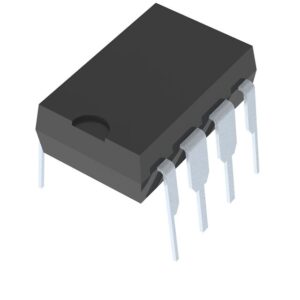
Digital IC’s
Digital Integrated Circuits are the building blocks of modern computing and automation. Unlike analog chips that handle continuous signals, Digital ICs operate using discrete binary states: 0 (Low) and 1 (High). By combining millions of tiny transistors into logic gates, these chips can perform complex calculations, store massive amounts of data, and execute software instructions with incredible speed and reliability.
Specifications
Digital ICs are defined by their logic family and performance metrics. Key specifications include:
- Logic Families: Primarily CMOS (low power, high density) and TTL (fast switching, robust).
- Operating Voltage: Common standards include 1.8V, 2.5V, 3.3V, and 5V logic levels.
- Propagation Delay: The time (ns) it takes for an input signal to produce an output; lower delay equals higher speed.
- Power Dissipation: Measured in milliwatts (mW) or microwatts (µW), critical for battery-operated devices.
- Fan-Out: The number of digital inputs that a single output can reliably drive without signal degradation.
- Clock Speed: For processors and controllers, typically measured in MHz or GHz.
Available Package Sizes
Digital ICs come in a variety of packages to fit everything from DIY breadboards to ultra-thin smartphones:
| Package Type | Mounting Style | Typical Pin Count | Common Use Case |
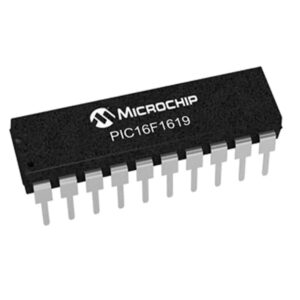
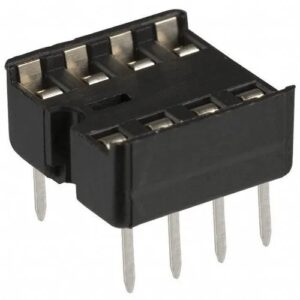
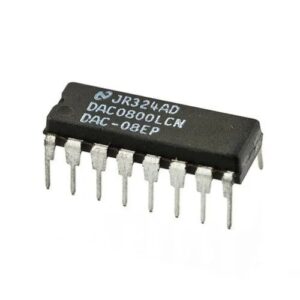
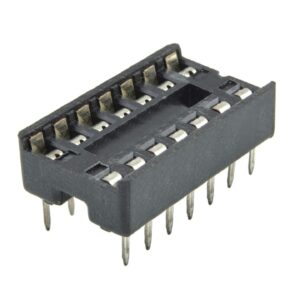
| DIP (Dual In-line) | Through-Hole | 8 to 40+ pins | Education, prototyping, and hobbyist kits. |
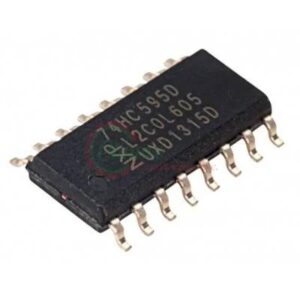
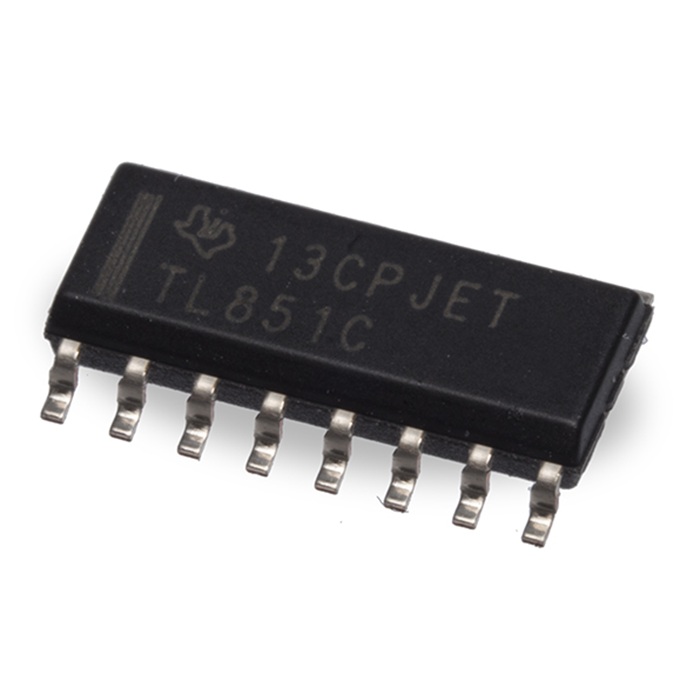
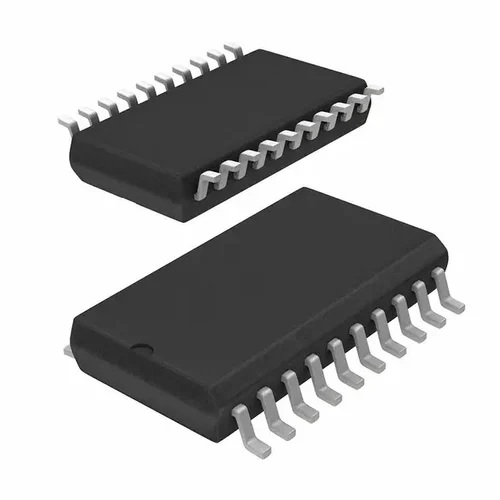
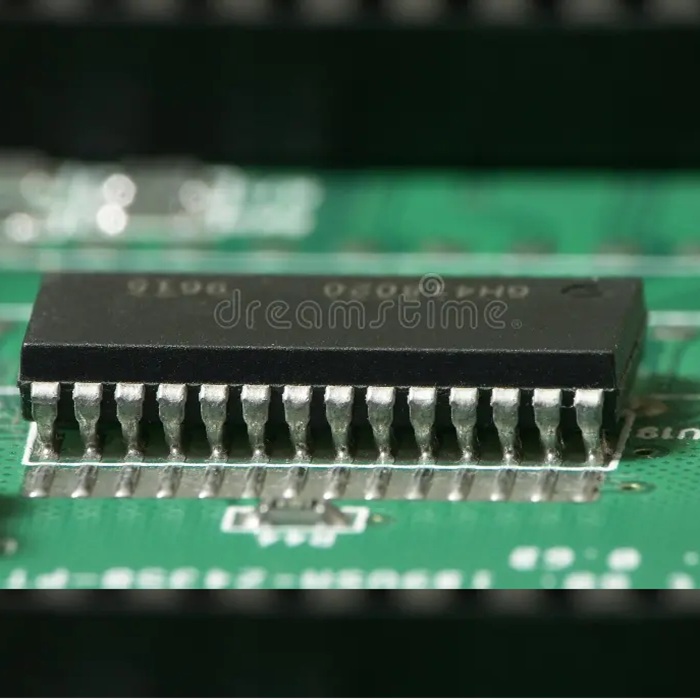
| SOIC / TSSOP | Surface Mount | 8 to 56 pins | Standard consumer electronics and PC components. |
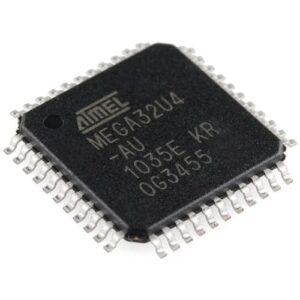
| QFP (Quad Flat Pack) | Surface Mount | 32 to 200+ pins | Microcontrollers and mid-range processors. |
| BGA (Ball Grid Array) | Surface Mount | 100 to 1000+ pins | High-performance CPUs, GPUs, and Memory (RAM). |
Common Usage
Digital ICs are the “brains” behind almost every modern convenience:
- Computing: Microprocessors (CPUs) and Graphics Processors (GPUs) in PCs and servers.
- Data Storage: Flash memory (SD cards, SSDs) and volatile memory (RAM).
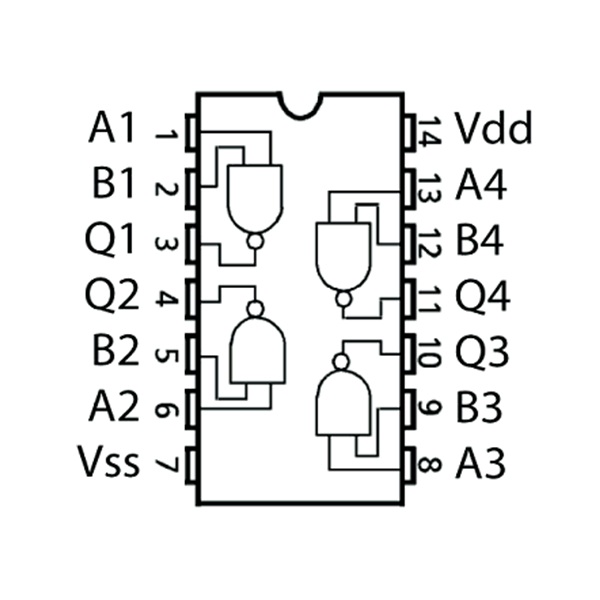
- Logic Operations: Basic gates (AND, OR, NOT) used for signal routing and hardware control.
- Communication: Wi-Fi modules, Bluetooth chips, and network controllers.
- Embedded Systems: Microcontrollers in appliances like microwaves, washing machines, and smart thermostats.
- Automotive: Engine control units (ECUs) and advanced driver-assistance systems (ADAS).