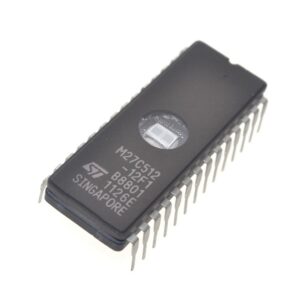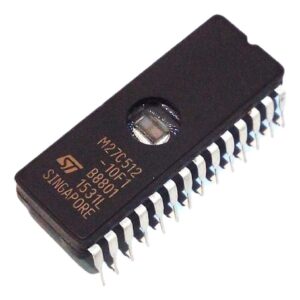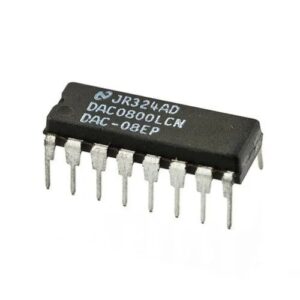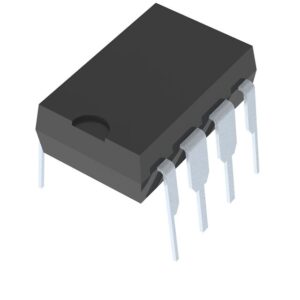
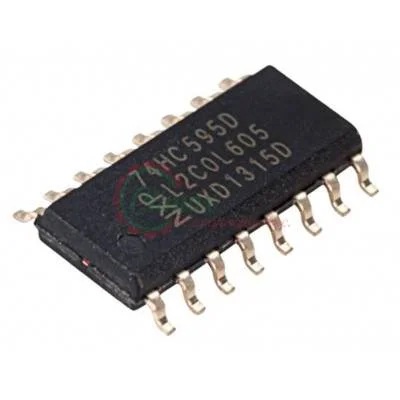
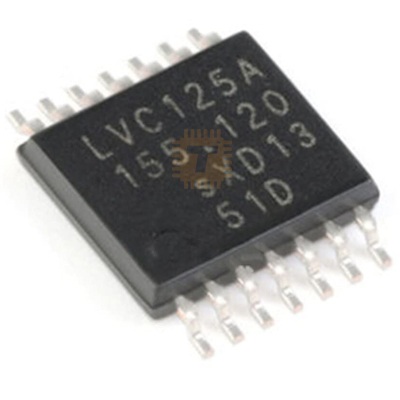
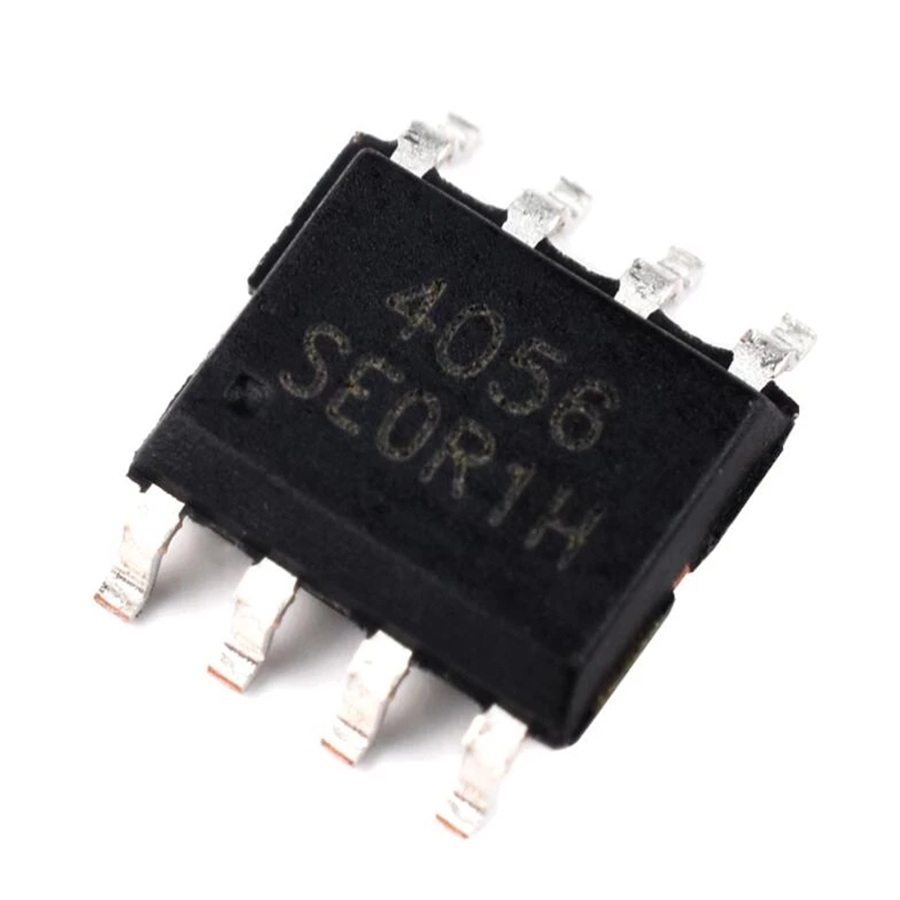
SMD IC’s
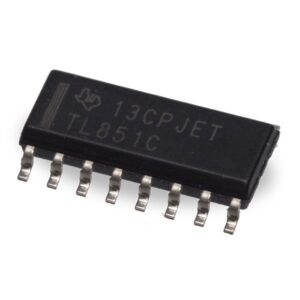
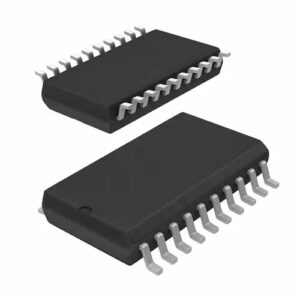
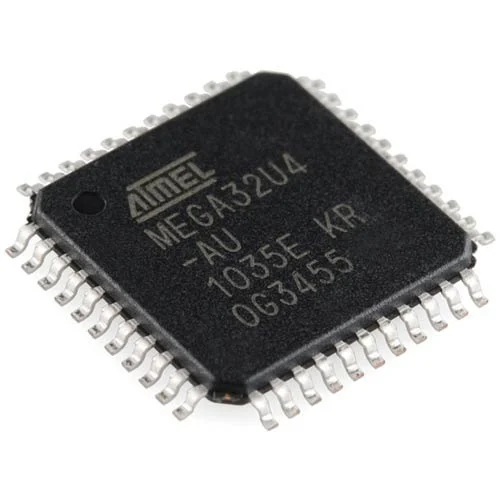
SMD (Surface Mount Device) ICs represent the modern standard in electronics manufacturing. Unlike traditional through-hole components that require holes to be drilled through a circuit board, SMD ICs are soldered directly onto the surface of the PCB. This technology allows for incredible miniaturization, higher component density, and improved electrical performance, making them the go-to choice for everything from high-speed computing to ultra-compact wearable tech.
Specifications
- Mounting Style: Surface Mount Technology (SMT); no lead-through holes required.
- Lead Pitch: Extremely fine spacing (often 0.5mm to 1.27mm), reducing parasitic inductance and capacitance for better high-frequency performance.
- Thermal Management: Designed with thermal pads on the underside (in packages like QFN/DFN) to dissipate heat directly into the PCB copper layers.
- Coplanarity: Precision-manufactured leads to ensure all pins touch the solder paste evenly during the reflow process.
- Material: Typically housed in high-temperature plastic or ceramic to withstand the intense heat of reflow ovens.
Available Sizes (Package Types)
SMD ICs come in a vast array of standardized packages categorized by their shape and pin configuration:
| Package Type | Description | Common Pin Count |
| SOIC / SOP | Small Outline; pins on two sides, “gull-wing” shape. | 8, 14, 16, 28 |
| SOT | Small Outline Transistor; tiny 3-to-6 pin packages. | 3, 5, 6 |
| QFP / TQFP | Quad Flat Pack; pins on all four sides. | 32, 44, 64, 100+ |
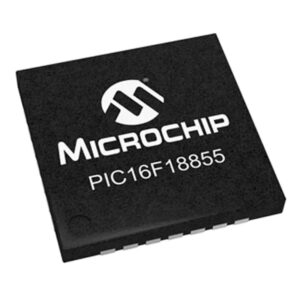
| QFN / DFN | Quad/Dual Flat No-lead; pads on the bottom, ultra-low profile. | 12 to 64 |
| BGA | Ball Grid Array; solder balls on the bottom for max density. | 100 to 1000+ |
Common Usage
Because of their space-saving design, SMD ICs are the industry standard for:
- Mobile Devices: Smartphones, tablets, and smartwatches where every millimeter of space is critical.
- High-Speed Computing: RAM modules, SSD controllers, and motherboards that require short signal paths.
- Automotive Electronics: Compact sensors, ECU controllers, and infotainment systems that must resist vibration.
- IoT & Wearables: Fitness trackers and smart home sensors that need to be as small and lightweight as possible.
- Consumer Appliances: Modern TVs, microwaves, and cameras where high functionality is packed into slim designs.