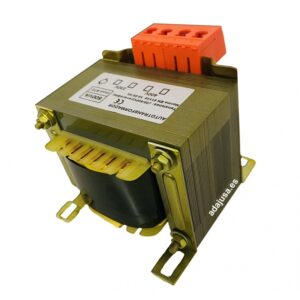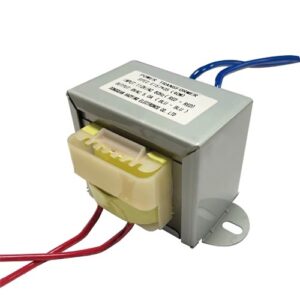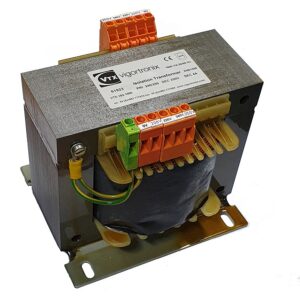
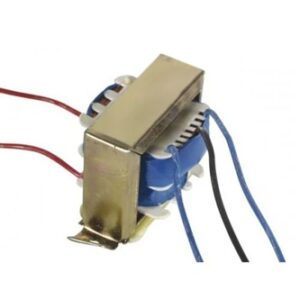

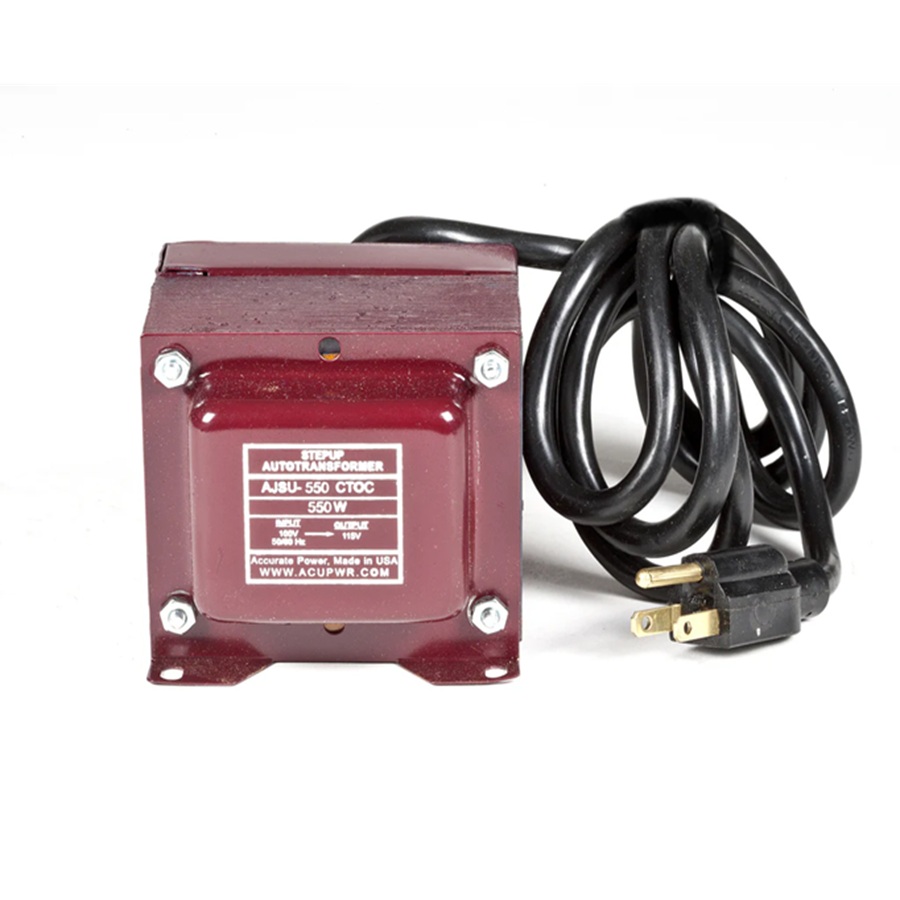
Step-Up Transformer
A step-up transformer is a power-converting device designed to increase the voltage of an AC power supply. By having more turns in the secondary winding than the primary winding, it “boosts” the output voltage while proportionally decreasing the current. This makes it an essential tool for long-distance power transmission and specialized high-voltage equipment.
Key Features
- Voltage Amplification: Efficiently raises low input voltage to a significantly higher output level (e.g., boosting 110V to 220V).
- High Efficiency: Modern designs use laminated silicon steel cores to minimize energy loss and heat during the boosting process.
- Power Conservation: Ideally maintains the same power level (P = VI), meaning as voltage goes up, current goes down to reduce resistance loss in wires.
- Robust Construction: Built to handle high electrical stress, often featuring specialized insulation and cooling systems for industrial use.
Common Applications
- Power Grids: Used at power plants to step up generated electricity (e.g., 11kV) to extremely high voltages (e.g., 230kV) for efficient transmission over hundreds of miles.
- International Appliance Use: Allows 220V–240V appliances (from Europe or Asia) to operate on 110V–120V electrical grids (like in North America).
- Specialized Machinery: Powering industrial X-ray machines, microwave ovens, and large electric motors that require high-voltage start-ups.
- Renewable Energy: Stepping up the low-voltage output from solar inverters or wind turbines to match grid voltage requirements.